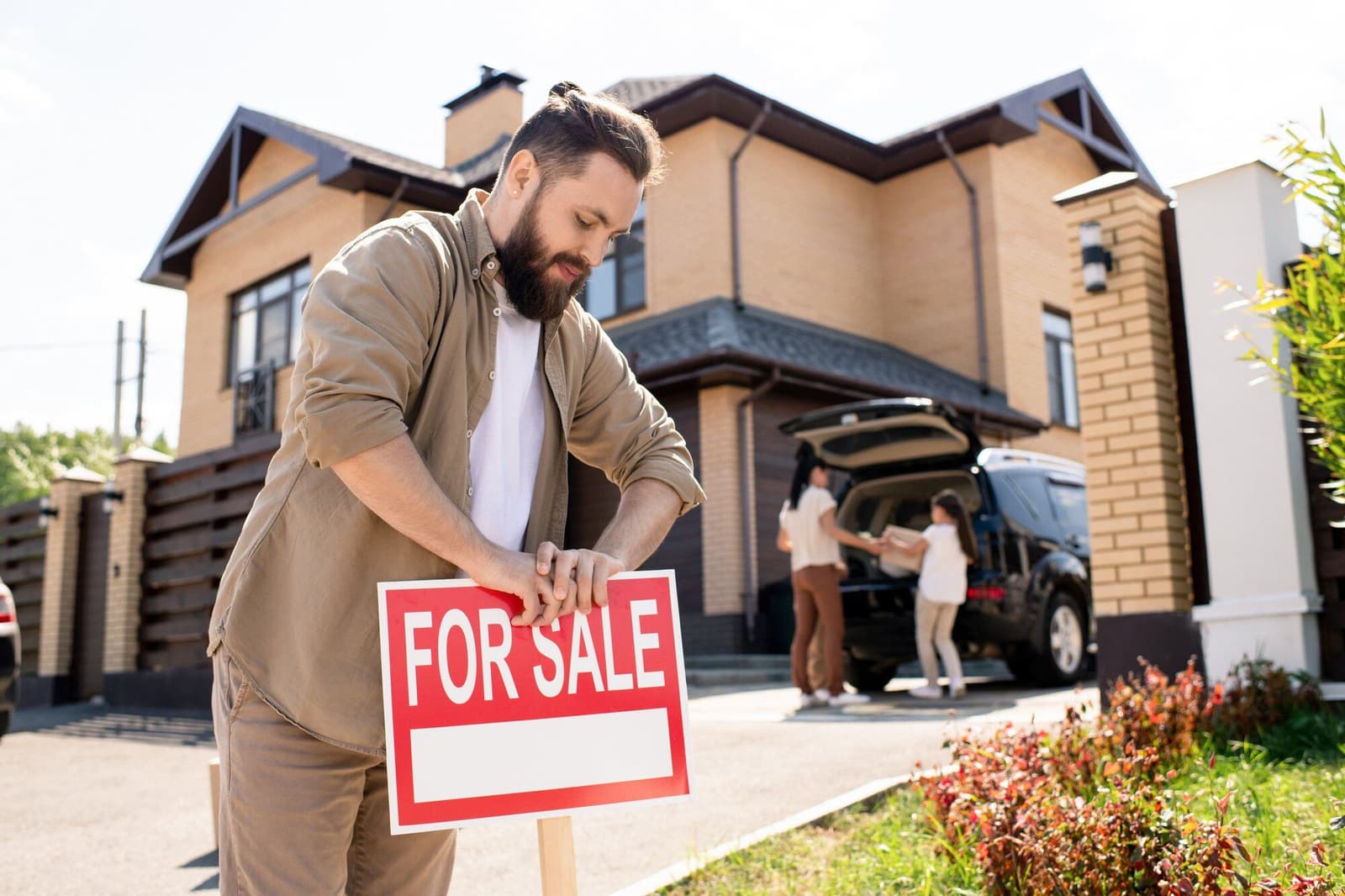
Have you noticed that homes seem to sit on the market longer these days? It's not just your imagination. Across many neighborhoods, "For Sale" signs are staying up weeks—or even months—longer than before.
So, what's going on? The short answer: higher costs, messy houses, and sellers who haven't caught up with today's market.
1. Buyers Are Doing the Math
So, what's going on? The short answer: higher costs, messy houses, and sellers who haven't caught up with today's market.
1. Buyers Are Doing the Math
The biggest shift starts with simple math. Monthly mortgage payments are higher now than they've been in years. Even if the list price looks okay, the total monthly cost can shock a buyer's budget.
That makes buyers more careful and less emotional. They want homes that feel worth every penny—clean, safe, and move-in ready. If a home feels like "extra work," it's often crossed off the list.
You can see more about how changing interest rates affect buyer behavior in the PropertyLens Resources section.
2. Too Many "Bare Minimum" Listings
A growing number of homes are being listed in what could be called bare minimum condition. From the street, the house might look perfect—fresh paint, nice lawn, new "For Sale" sign. But step inside, and things tell a different story:
• Dust, cobwebs, or stale odors
• Bug problems or signs of mice
• Mold or damp basements
• Scuffed walls and dirty floors
• Small but obvious repair issues—loose handles, missing trim, broken tiles
Buyers notice these things right away. When a home looks neglected, it sends a signal: "If they didn't clean this, what else did they ignore?"
A great breakdown of these kinds of hidden risks is in this PropertyLens article on home maintenance surprises. It explains why many buyers feel nervous about unseen problems, even in nice-looking homes.
3. Empty Homes Can Be a Big Turn-Off
Many sellers move out before selling, which can make things worse. An empty home gathers dust, smells stale, and doesn't feel welcoming.
If no one is checking in—running the air, flushing toilets, wiping counters—buyers walk into what feels like a storage space instead of a home.
Listing agents should guide their clients to keep the house show-ready, even after they move out. A quick weekly visit to tidy up or open windows can make a big difference.
4. Pricing Is Still Stuck in the Past
Some sellers still believe their home is worth whatever a similar one sold for two years ago. But the market has changed.
Today's buyers compare prices more carefully, use online tools, and double-check property data before making an offer. When homes are overpriced, they linger—and the longer they linger, the more buyers assume something's wrong.
That's why it's smart to start with a realistic price, not an emotional one. For a deeper look at how to price and present a home effectively, see the PropertyLens guide to preparing homes for sale.
That makes buyers more careful and less emotional. They want homes that feel worth every penny—clean, safe, and move-in ready. If a home feels like "extra work," it's often crossed off the list.
You can see more about how changing interest rates affect buyer behavior in the PropertyLens Resources section.
2. Too Many "Bare Minimum" Listings
A growing number of homes are being listed in what could be called bare minimum condition. From the street, the house might look perfect—fresh paint, nice lawn, new "For Sale" sign. But step inside, and things tell a different story:
• Dust, cobwebs, or stale odors
• Bug problems or signs of mice
• Mold or damp basements
• Scuffed walls and dirty floors
• Small but obvious repair issues—loose handles, missing trim, broken tiles
Buyers notice these things right away. When a home looks neglected, it sends a signal: "If they didn't clean this, what else did they ignore?"
A great breakdown of these kinds of hidden risks is in this PropertyLens article on home maintenance surprises. It explains why many buyers feel nervous about unseen problems, even in nice-looking homes.
3. Empty Homes Can Be a Big Turn-Off
Many sellers move out before selling, which can make things worse. An empty home gathers dust, smells stale, and doesn't feel welcoming.
If no one is checking in—running the air, flushing toilets, wiping counters—buyers walk into what feels like a storage space instead of a home.
Listing agents should guide their clients to keep the house show-ready, even after they move out. A quick weekly visit to tidy up or open windows can make a big difference.
Even small signs of neglect—peeling paint, cracked grout, rusty fixtures—can slow a sale. Buyers wonder what else might be hiding behind the walls or under the floors.
4. Pricing Is Still Stuck in the Past
Some sellers still believe their home is worth whatever a similar one sold for two years ago. But the market has changed.
Today's buyers compare prices more carefully, use online tools, and double-check property data before making an offer. When homes are overpriced, they linger—and the longer they linger, the more buyers assume something's wrong.
That's why it's smart to start with a realistic price, not an emotional one. For a deeper look at how to price and present a home effectively, see the PropertyLens guide to preparing homes for sale.
5. Deferred Maintenance Kills Deals
Even small signs of neglect—peeling paint, cracked grout, rusty fixtures—can slow a sale. Buyers wonder what else might be hiding behind the walls or under the floors.
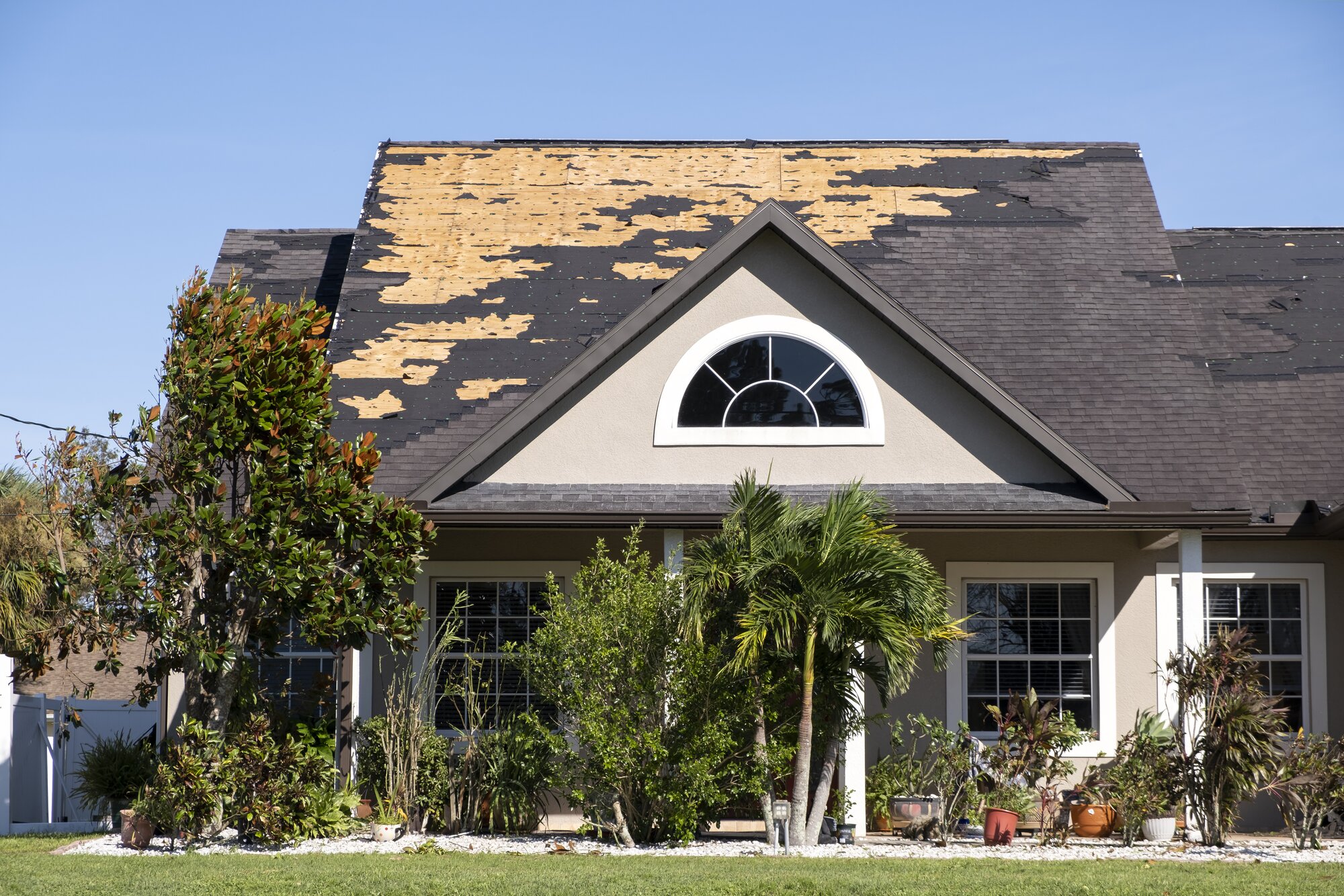
And when it comes to bigger issues like roofs, plumbing, or foundation problems, those can sink deals altogether. PropertyLens recently wrote about how roof age quietly kills sales. A 15-year-old roof can cost thousands to replace, so even the rumor of "it's getting old" can scare off buyers.
If you're thinking about selling soon, it's smart to know your home's true condition before you list. A PropertyLens Home Report can help uncover risks that might surprise buyers later.
6. Homes That Look "Ready to Move In" Sell Faster
Walk through a new construction home and you'll see the difference. They're spotless, smell fresh, and show off a lifestyle. Builders stage model homes to make buyers imagine living there.
That approach works—and it explains why many new homes are going under contract faster than resale homes.
Even older homes can compete if they're cared for and staged properly.This PropertyLens podcast episode breaks down what inspectors found in one high-end listing that looked amazing online but showed years of neglect once the doors opened.
If you want to understand what buyers see (and smell!) during a showing, listen to Episode 7 of the PropertyLens Podcast—it's eye-opening.
7. Some Buyers Are Just Waiting It Out
There's also hesitation in the market. Many people believe interest rates will drop soon, so they're holding off. Others worry about job stability or inflation.
That uncertainty adds to the slowdown. When fewer buyers make offers, homes naturally take longer to sell—even if they're priced right.
For insights on how broader market confidence shapes buyer behavior, this PropertyLens podcast conversation is a great listen.
8. What Sellers Can Do Right Now
• Clean deeply and often. Even if you've moved out, keep it spotless.
• Fix the obvious. Repair what you'd notice in someone else's home.
• Check smells and airflow. Fresh air and light sell houses.
• Be realistic on price. Data doesn't lie—buyers know market value.
• Use a professional report. Tools like a PropertyLens Report can show hidden risks before a buyer's inspector finds them.
• Work with experienced agents. Good agents won't just list your home—they'll help you get it ready to sell quickly.
The Bottom Line
Homes are taking longer to sell because buyers are cautious, prices are high, and too many houses hit the market half-ready. Cleanliness, pricing, and maintenance matter more than ever.
If you want your home to sell fast, think like a buyer. Would you feel confident walking into your own house for the first time? If not, fix what needs fixing.
For more smart homeowner advice and real-world stories, explore the PropertyLens Resources page or tune into The PropertyLens Podcast for expert insights on what really helps homes sell in today's market.