Episode Summary
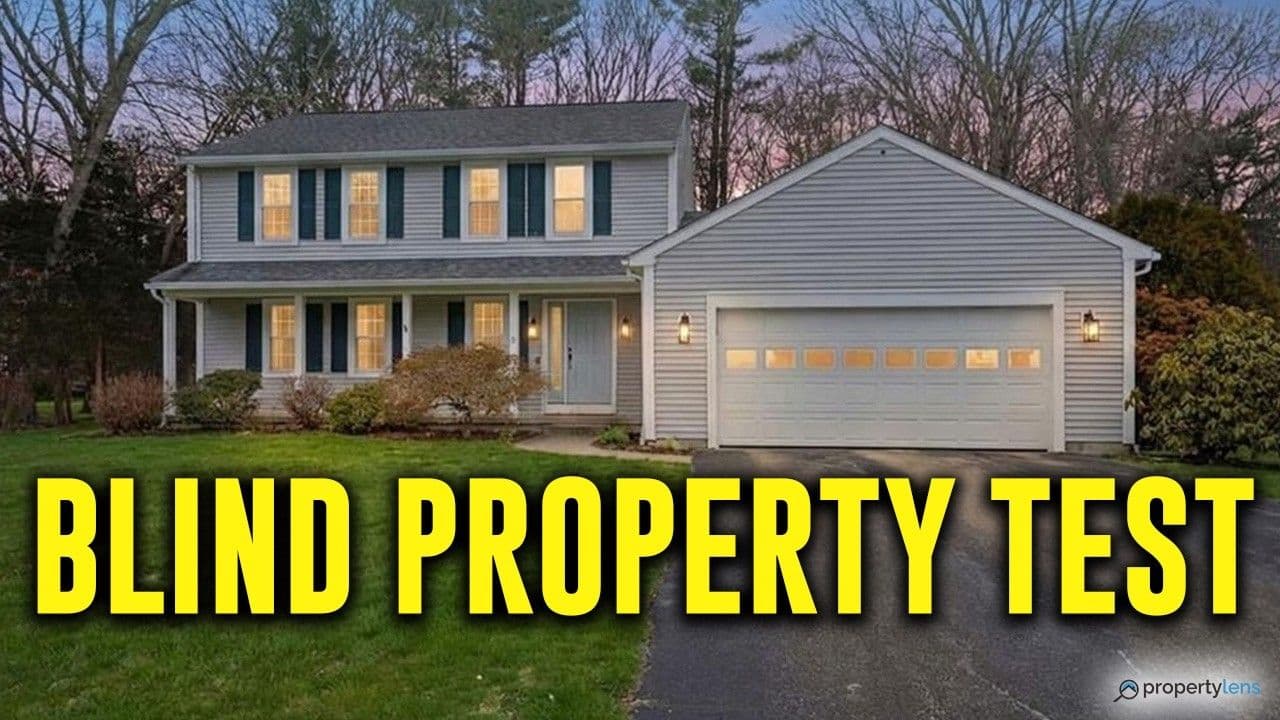
In this episode of Property of the Week, hosts Bob Frady and John Siegman try something different — they walk into an $800,000 listing in North Kingstown, Rhode Island with no prep and no assumptions. What looks like a clean, move-in-ready property quickly reveals deeper questions around permits, environmental exposure, and whether this is truly a safe buy. This episode shows exactly how professionals think through a property in real time, and what most buyers miss.
What the Walkthrough Revealed
The property presents well online — a move-in-ready home at $800,000 in a desirable Rhode Island market. But a closer look at the data tells a different story. Missing permits despite visible renovations, a square footage mismatch between the listing and public records, and Superfund sites within half a mile raise immediate questions. Potential PFAS and groundwater contamination add environmental risk, while a recent purchase-and-resale timeline signals a possible flip. A "B" property score doesn't mean the risks aren't there. It means you have to look harder.
Key Takeaways
- A strong property score doesn't eliminate hidden risks.
- Recently sold homes relisted quickly may indicate a flip.
- Missing permits are a major red flag, not a minor detail.
- Flood risk exists even when a home is outside FEMA zones.
- Environmental hazards like PFAS and contamination are often nearby.
- Radon, mold, and water quality require separate inspections.
- Insurance and replacement cost can differ significantly from listing price.
Bottom Line
A good house isn't about how it looks. It's about what you verify. Move-in ready doesn't mean risk-free, and flipped homes require more due diligence, not less. Before making an offer on any U.S. home, understand the risks, confirm the work, and validate the environment. Run a PropertyLens report at PropertyLens.com (opens in new tab) and make decisions based on data, not hope.


