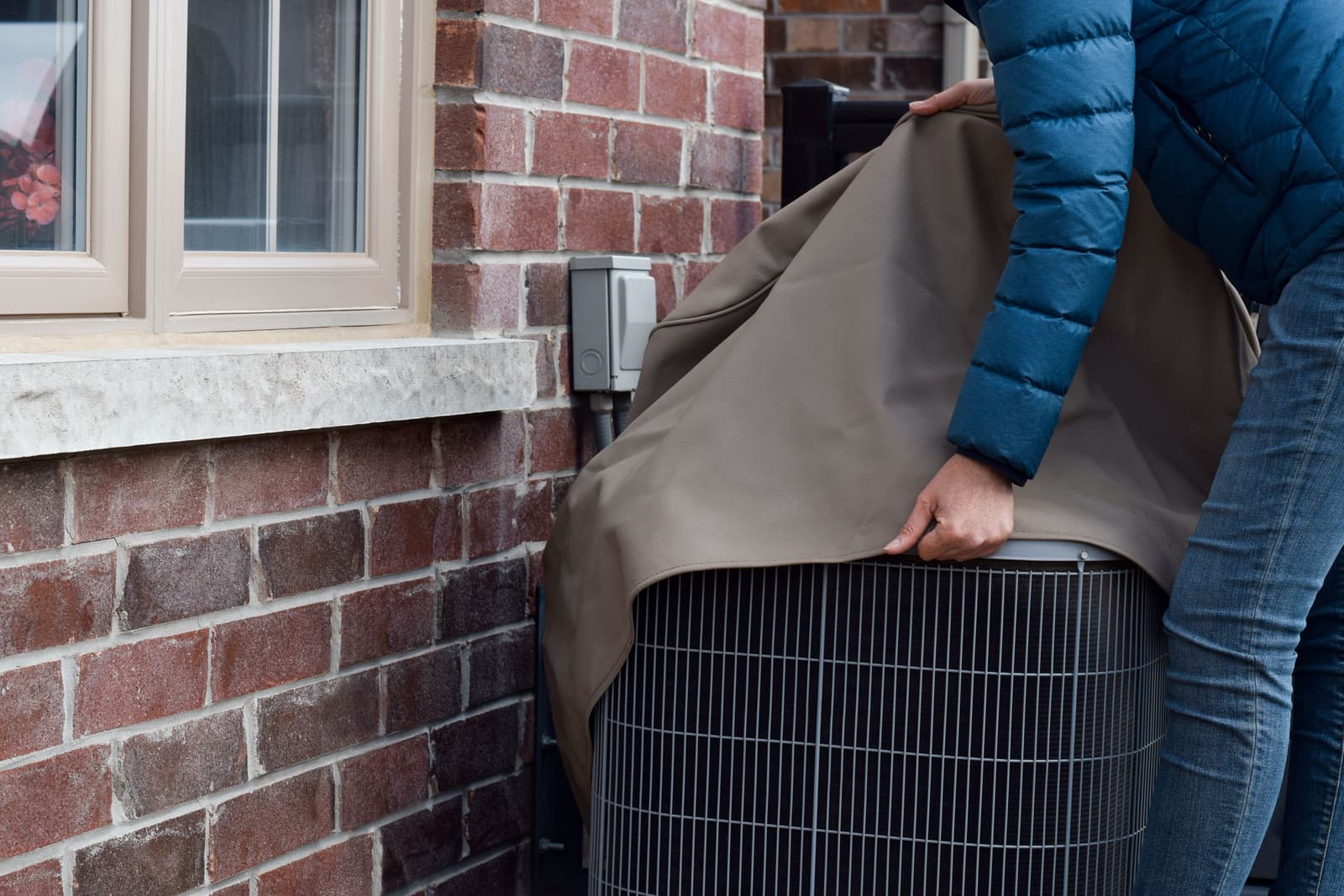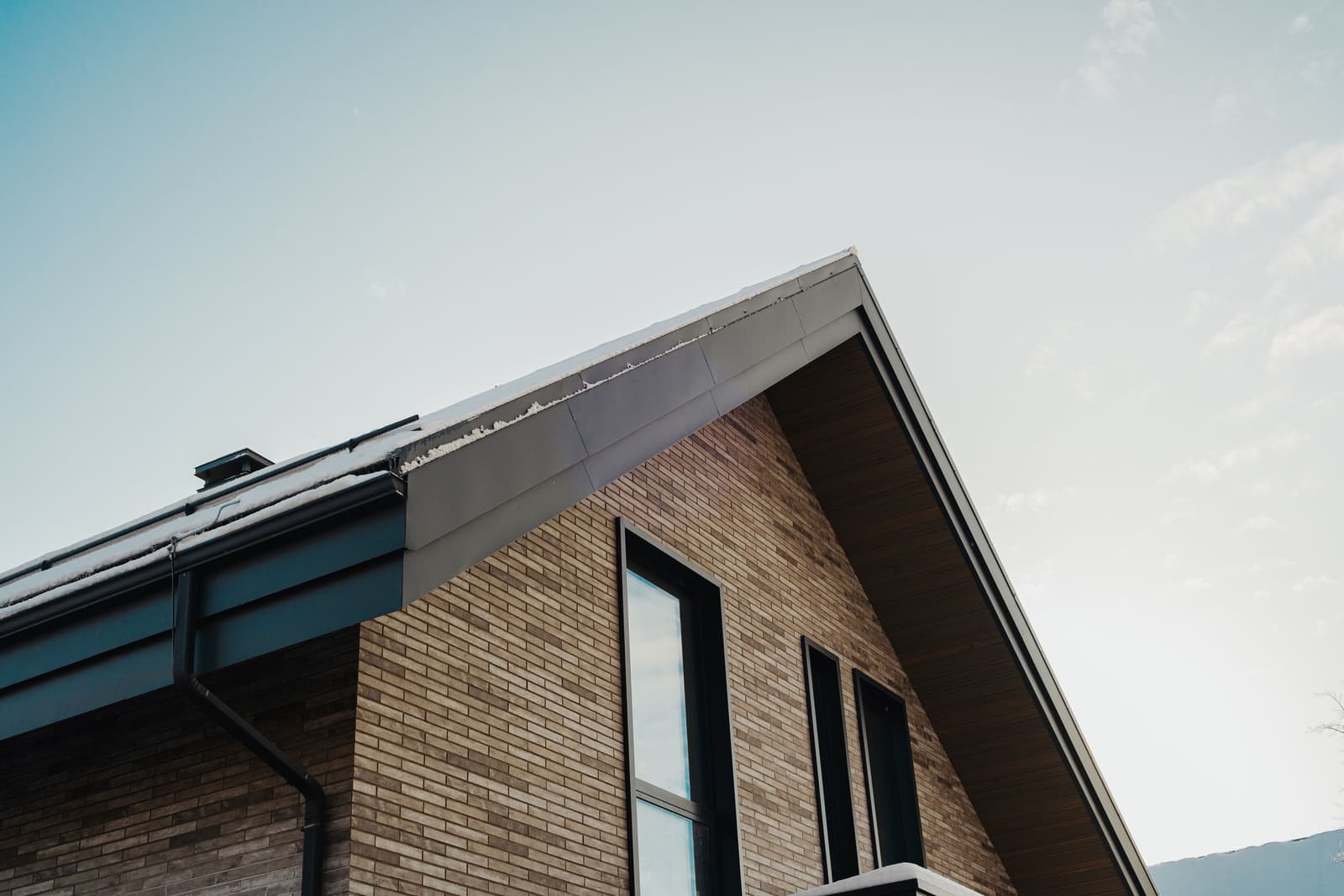
The gutter full of last fall's leaves and the yard that slopes just slightly toward the house; these are the things nobody mentions at the showing. They are also two of the most direct routes to a five-figure foundation repair bill. For buyers focused on square footage and kitchen finishes, exterior drainage is an invisible risk. For PropertyLens, it's a data story with a clear paper trail.
Here's what you need to know before you make an offer.
The Warning Signs Nobody Points Out at the Showing
By the time a foundation problem announces itself, the source of it has usually been accumulating for years. Warning signs include water seepage, cracks wider than one-quarter inch, wall bowing, expanding fissures, horizontal or stair-step crack patterns, post-precipitation leaks, efflorescence, musty smells, and peeling paint. Every one of those symptoms traces back upstream (opens in new tab), to drainage failures that were visible from the driveway long before closing day.
The inspection gap is real here. A standard home inspection is a visual assessment of current conditions. It will note a crack in a wall. It will not tell you that the downspouts on this house have been dumping roof runoff directly against the foundation for a decade. That requires a different kind of data, which is exactly what PropertyLens surfaces before you ever schedule the walk-through (opens in new tab).
How Gutters Become a Foundation Problem
Gutters fail gradually and quietly. Leaves accumulate, water backs up, and overflow spills not into the yard but directly against the siding and foundation below. Multiply that by every rainstorm over several years and the result is sustained hydrostatic pressure against concrete walls that were never designed to resist it.
Clogged gutters cause water to spill over the sides, soaking the siding and foundation. At a minimum, gutters should be cleared at least once a year, ideally twice, and downspouts must be connected and directed several feet away from the home, using extensions if necessary (opens in new tab). The industry standard is a minimum discharge distance of 4 feet from the foundation wall.
This is also one of the clearest QA gaps in real estate transactions. A disconnected downspout or a missing extension is visible in listing photos. It almost never gets flagged during negotiations. Buyers who catch it have an immediate, low-cost lever: a downspout extension costs roughly $10–$30 at any hardware store. The remediation it prevents can run $10,000 or more.
Why Grading Is the Silent Culprit
Yard grading, the slope of the ground surrounding the foundation, is one of the most consequential things about a property and one of the least discussed. Buyers should check the grading outside the home to confirm that water flows away from the foundation, not toward it (opens in new tab). Most homes require at least a 2% slope, roughly 6 inches of drop over the first 10 feet from the foundation, to drain surface water safely away.
When that grade settles or was never properly established, rain pools against the house instead of running off. The result is the same saturated-soil pressure cycle that cracks foundation walls from the outside in.
Regrading around a home's foundation typically costs $1,000 to $3,000 (opens in new tab), a manageable number relative to what it prevents. Foundation damage from poor drainage can cost $2,000 to $10,000 or more to fix (opens in new tab), and that's before accounting for any mold remediation triggered by the resulting moisture intrusion. Catching a negative grade before closing is a negotiation opportunity. Inheriting one after closing is a budget problem.
Source vs. Symptom: Knowing What the Fix Actually Costs
Not every drainage problem requires the same solution, and confusing source-level fixes with symptom-level systems is one of the most expensive mistakes buyers and investors make.
Exterior waterproofing membranes applied to foundation walls create barriers that prevent water from ever reaching concrete surfaces where it can find cracks and seep through. These systems cost more to install because they require excavation, but they address problems at the source (opens in new tab) rather than managing water after it enters.
Interior drainage systems with sump pumps provide reliable protection against water that penetrates foundation walls by collecting it before it floods basements. Perimeter drain systems installed along basement footings intercept groundwater and direct it to collection basins where pumps remove it safely outside (opens in new tab).
The practical framework: if the issue is exterior grading or clogged gutters, the fix is exterior and cheap. If water is already penetrating the foundation, interior systems are the reliable response. Conflating the two leads buyers to pay for interior remediation on properties that needed a $500 grading correction, or worse, to accept an interior sump system as evidence that the exterior problem has been addressed when it hasn't.
Sump pump testing should happen quarterly (opens in new tab) rather than waiting until you hear it running during storms. When evaluating a home that has one, ask when it was last tested and whether there's a battery backup. A sump pump that fails during the first heavy spring rain is a scenario that plays out in basements across the country every year.
What PropertyLens Sees That the Listing Doesn’t Show
A listing photo shows a tidy yard. It does not show whether that yard has experienced repeated flood events that stressed the foundation over the past decade, or whether the roof has sustained enough hail damage to accelerate shingle failure and push more water through compromised drainage paths.
PropertyLens tracks wind, hail, fire, wildfire, and flood events that may result in insurance claims, giving buyers a property-level risk picture that predates the current listing by years. A home with a propensity for flooding events isn't automatically a bad buy, but it is a home where drainage due diligence is non-negotiable before an offer goes in.
PropertyLens provides the insight most people miss, along with questions to help your inspector focus on issues that might otherwise go undetected. This is the core of what PropertyLens 2.0 delivers (opens in new tab): not a replacement for the inspection, but the data you need to know and exactly which questions to bring when you do. As PropertyLens co-founder Bob Frady has said: "You're already in love once you make the offer. That's a terrible time to make decisions."
For context on how drainage gaps connect to the broader pattern of deals falling apart, see our breakdown of the most common reasons real estate transactions collapse (opens in new tab). Inspection issues are at the top of the list.
The Pre-Offer Checklist: What to Do Before You Bid
Most of this is visible before you ever step inside.
Walk the perimeter first. Check where the downspouts terminate. A downspout that ends 12 inches from the foundation, or not at all, is a flag. Extensions should discharge at least 4 feet out, directed away from the house and toward a slope that carries water further into the yard.
Look at the grade. Stand at the foundation and look outward. The ground should slope away from the house. If it looks flat or tilted inward, that's worth flagging with the inspector and pricing into your offer. Fixing a small drainage problem near the foundation might cost $500, while full grading and drainage corrections can reach $15,000 (opens in new tab), a wide range that depends entirely on how long the problem has been accumulating.
Check the gutters from the ground. Sagging sections, visible debris overflow staining on the fascia, or gutters pulling away from the roofline are all signs of deferred maintenance. Ask when they were last cleaned.
Ask direct questions. Has there been any basement seepage or moisture after heavy rain? When were the gutters last serviced? Where does the sump pump discharge? Vague answers are data points.
Run a PropertyLens report. Before any of the above, pull the property's event history. Flood and hail events on record don't disqualify a home but they tell you where to look, what to ask, and what leverage you have going into negotiations. That's the Know Before You Buy (opens in new tab) advantage: information before emotion.
The Bottom Line
The $30 downspout extension and the annual gutter cleaning are not maintenance items. They are foundation protection. The homes that end up with $15,000 repair bills are almost always the homes where those basics were skipped for long enough that the soil stayed saturated, the concrete cracked, and the water found its way in.
Buyers who understand drainage aren't being paranoid, they're being precise. Run the PropertyLens report, walk the perimeter, and know what you're buying before you fall in love with the countertops.