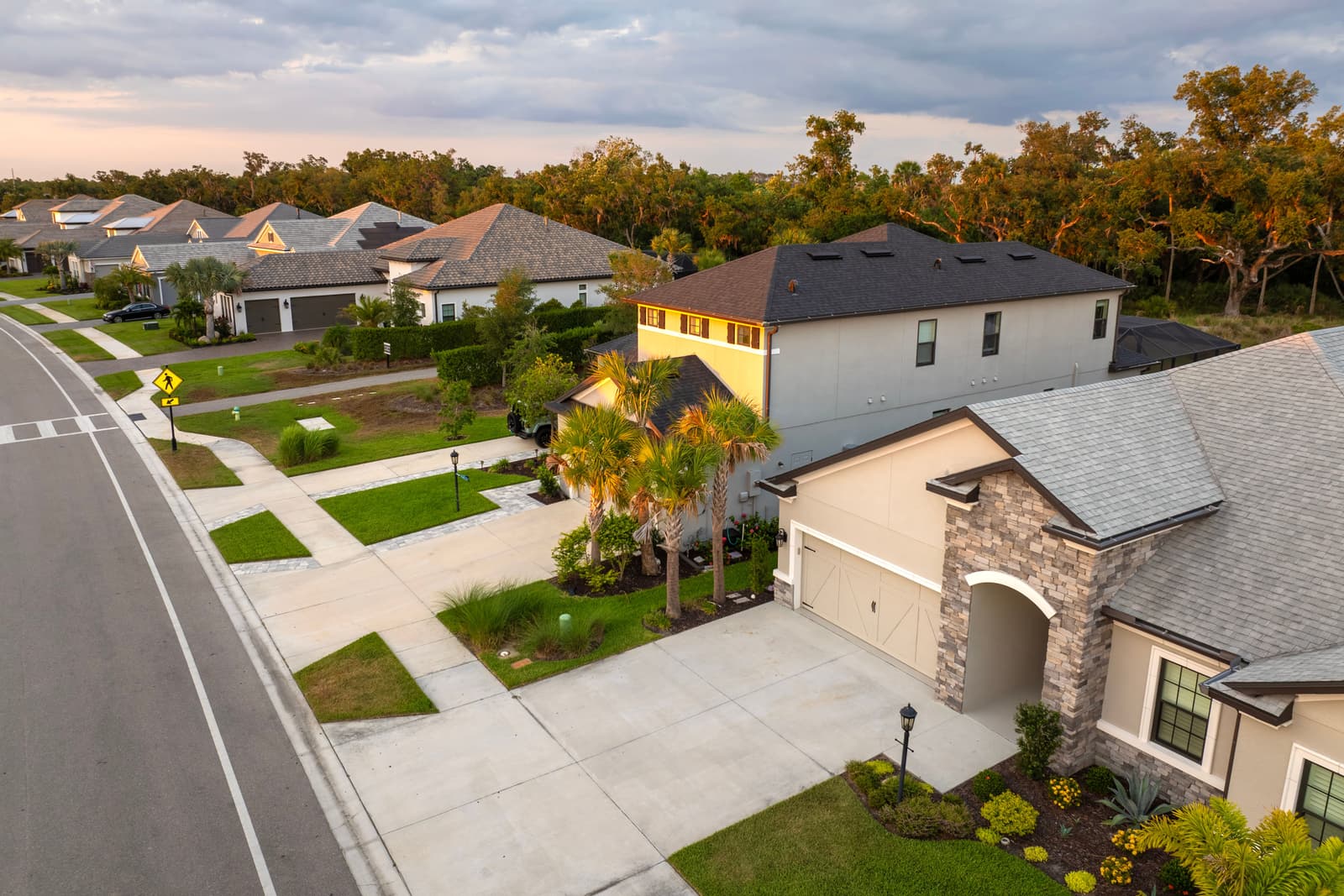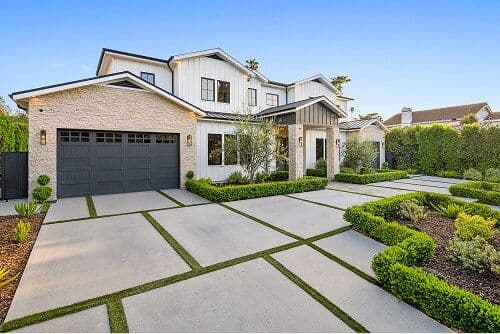
A beautiful 1951 home in Hollywood, Florida caught the attention of remote real estate investor Dr. Alex Meierhoefer. Two bedrooms, two baths, 1,460 square feet on a quarter-acre lot. Recently renovated with updated fixtures and systems. At $650,000, it appeared to be a solid investment opportunity.
But appearances can be deceiving, especially when you're investing from thousands of miles away.
The Challenge of Remote Real Estate Investing
Dr. Alex Meierhoefer, host of the Ideal Investor Show and founder of Ideal Wealth Grower, has built his investment strategy around working with turnkey providers across the country. As he explains, this approach solves a common problem for busy professionals:
"A lot of our clients are people who have demanding jobs, they have their family, they have their interests. Their main point is: I want to be an investor, but I don't want to have all the work associated with owning properties."
The key to his success? Finding providers who offer all three critical: finding and renovating properties, marketing to their investor network, and providing ongoing property management.
"What is different in the right turnkey provider is that they have them all under one rule," Dr. Alex notes. "If they found the ugly duckling and renovated it, they can give us, as investors, a one-year warranty on everything they touched during the renovation because it's the same company."
But even with trusted turnkey providers, remote investors need comprehensive property intelligence to make informed decisions.
What the PropertyLens Report Revealed
When we analyzed 1635 Liberty Street in Hollywood, Florida using PropertyLens, several red flags emerged that weren't visible in the standard listing:
The Roof Replacement Pattern
The most striking discovery was the roof's history. Our analysis revealed that this roof had been replaced three times in just 22 years: in 2002, 2013, and 2018.
"From an investor perspective, I would ask questions about the replacements to be an agent representing their property. When I look through the PropertyLens Report you sent me, I see there was a hurricane in 2018 and the roof was last replaced in 2018. So the question is, was the last replacement because of that?"
The Bedroom Count Discrepancy
Another significant finding was a mismatch between official records and the listing description. The tax assessor showed two bedrooms, while the real estate listing advertised three bedrooms.
This discrepancy prompted Dr. Alex to dig deeper: "I don't know if that's just an honest mistake or if they changed something to the house that's not in the permits or stuff. On the one hand, it might not be a super grave concern. But, on the other hand, I would definitely want to question why is there the difference and is that the only mistake?"
The Investment Math Problem
And most importantly for investors, the numbers didn't add up. The PropertyLens report showed a replacement cost of approximately $300,000 through insurance, while the asking price was $650,000.
Dr. Alex's investor perspective was clear: "The real question is, is this a fair deal? Can I find a lot, for $300,000, $350,000 or less? Because if I find a quarter acre lot with a replacement value of $300,000, I can basically buy the lot and build a new house in this current market where building is pretty much dead, right?"
The Two-Year Repair Reality Check
Our PropertyLens analysis estimated between $30,000 and $75,000 in potential repair expenses over the first two years of ownership. For a $650,000 investment property, this represents a significant impact on cash flow projections.
The report flagged several concerns:
• Repiping costs: $8,400 estimated, given the property's age
• Flood zone risks: Located in a 500-year flood zone requiring flood insurance
• Environmental concerns: High risk for mold and termites in the Florida climate
• Age-related issues: Built in 1951, potentially containing lead paint or asbestos

A lot of our clients are people who have demanding jobs, they have their family, they have their interests. Their main point is: I want to be an investor, but I don't want to have all the work associated with owning properties.
Three Key Questions for Remote Investors
Based on our analysis with Dr. Alex, remote real estate investors should focus on three critical areas:
1. Price Justification
"Well, the first thing would be price," Dr. Alex emphasized. When replacement costs are significantly lower than purchase prices, investors need to question whether they're getting fair value.
2. Truthfulness and Transparency
"And the second thing would be, and I know this sounds harsh, but honesty, right? Like, what is really true about it and what's not true about it?"
Based on our analysis with Dr. Alex, remote real estate investors should focus on three critical areas:
1. Price Justification
"Well, the first thing would be price," Dr. Alex emphasized. When replacement costs are significantly lower than purchase prices, investors need to question whether they're getting fair value.
2. Truthfulness and Transparency
"And the second thing would be, and I know this sounds harsh, but honesty, right? Like, what is really true about it and what's not true about it?"
Discrepancies in bedroom counts, missing permits, or unexplained roof replacements all raise questions about what else might not be accurately represented.
3. Investment Purpose and Performance
"And the third thing would be use case. How does this help us?"
Dr. Alex pointed out that at $650,000, this property would be challenging to generate positive cash flow, regardless of whether it's used for long-term rentals or vacation rentals.
The Power of Comprehensive Data
For remote investors, comprehensive property reports serve as their eyes and ears in distant markets. As Dr. Alex confirmed:
"Without having a report like yours, you’re basing your decision more or less on the advertisement that the agent or the broker puts out, right? You’re using Zillow or realtor.com to vet all these details. If you do the homework, that may be possible, but it's so much more convenient to get it from PropertyLens and have it all in one place."
Lessons for Today's Investors
The Hollywood, Florida property analysis revealed several important lessons for remote real estate investors:
Don't rely on curb appeal from photos. Beautiful renovations can hide expensive problems underneath.
Question patterns in repair history. Multiple roof replacements suggest either ongoing issues or insurance claim patterns that could affect future coverage.
Verify all claims independently. Bedroom counts, square footage, and system ages should all be confirmed through multiple sources.
Factor in true ownership costs. Beyond the purchase price, consider insurance, flood coverage, and likely repair expenses in your investment calculations.
Use data to level the playing field. When you can't physically inspect every property, comprehensive property intelligence becomes essential for making informed decisions.
The Bottom Line
As Dr. Alex's analysis demonstrated, successful remote real estate investing requires looking beyond the surface appeal of properties. While this Hollywood home presented well in photos and listings, the underlying data revealed potential concerns that could impact long-term investment performance.
"When you think about what was the market in 2021, and what is the market now, and how has the southern Florida market been behaving, prices in general have gone down quite a bit from the peak," Dr. Alex noted, highlighting the importance of understanding broader market conditions alongside property-specific risks.
For investors working with turnkey providers or evaluating properties from a distance, comprehensive property intelligence isn't just helpful, it's essential for protecting your investment and ensuring you're making decisions based on facts, not just attractive photos and marketing descriptions.
When you can't walk the property yourself, let data be your guide to smarter real estate investing.