Most homebuyers walk into a property looking at square footage, finishes, and location. What they don't see is the silent countdown happening in the walls: the HVAC running its final years, the roof approaching end-of-life, the water heater in its failure window. Every major system in a home has an expiration date. Most buyers don't know those dates until they're holding a $12,000 replacement bill that wasn't in the budget.
This is the gap between what an inspection tells you (current condition) and what you actually need to know (remaining useful life). Here's how to see the timeline before you bid.
The System Lifespan Timeline: Why Most Buyers Get Blindsided
A typical first-year homeowner faces an unexpected $8,000–$15,000 bill for system replacements. Not because the home was damaged. But because the systems were aging and nobody quantified how much time was left.
A home inspection is a snapshot. It tells you whether the HVAC works today. It doesn't tell you the unit is 18 years old in a system with a typical 20-year lifespan, meaning you have 2 years of runway left before a $10,000–$13,000 replacement becomes urgent. It doesn't flag that the electrical panel was manufactured by Federal Pacific in 1978 and is now a documented fire hazard that your insurance carrier might refuse to cover.
The buyers who avoid panic are the ones who know these timelines before they make the offer. That's when you can negotiate a credit, budget accordingly, or walk away. That's also exactly what a PropertyLens report surfaces: system age and the remaining useful life of every major component.
System #1: HVAC (Heating & Air Conditioning)
Lifespan: 15–25 years; most systems peak around 18–20 years.
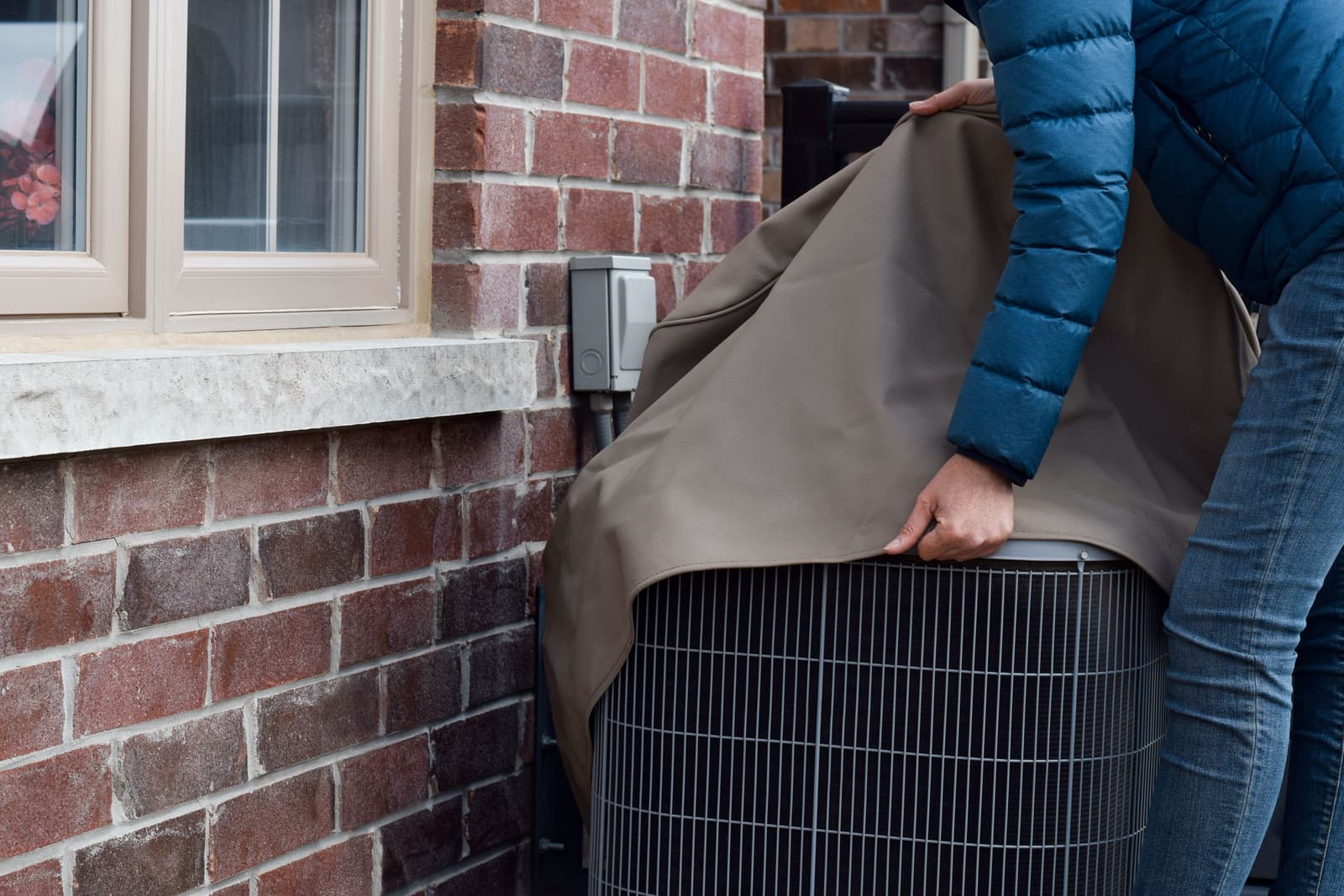
Your HVAC is working hard. In homes built during the 1980s and 1990s, the original system is now at or past the midpoint of its useful life. The average HVAC system ranges from 15–25 years depending on maintenance, run-time (hot climates work equipment harder), and installation quality (opens in new tab).
Replacement cost: HVAC replacement averages $7,500, with a range from $5,000 to $12,500 depending on system type and size (opens in new tab). In 2026, typical whole-home replacements for 2,000–2,500 square foot homes land around $13,430.
Failure signals: The system still works, but it's struggling. Uneven heating or cooling across rooms. Higher energy bills despite maintenance. The unit kicks on constantly during extreme weather. Grinding, squealing, or burning smells. These aren't code violations; they're signs the system is approaching the end of its runway.
The timeline play: If you're looking at a home with an original 2004 HVAC, that unit is 22 years old. Budget for replacement in the next 3–5 years. On a 30-year mortgage, that's roughly $150–$180 per month for 7 years just to replace the system you didn't budget for.
 (opens in new tab)
System #2: Water Heater (Tank or Tankless)
Lifespan: Tank models 8–12 years; tankless 15–20 years.
The water heater is the system nobody thinks about, until it fails. And unlike HVAC, traditional tank-style water heaters typically last between 8 and 12 years, though the range can be as wide as 6 to 15 years (opens in new tab). Once it fails, there's no repair. There's only replacement.
Replacement cost: Tank-style water heater replacement costs $881 to $1,825 while tankless systems run $1,400 to $3,900 (opens in new tab). Most homeowners spend $1,200–$3,500 total, but that range widens if your home needs gas line upgrades or electrical work.
Failure signals: Rust-colored water. Reduced hot water volume or inconsistent temperature. Visible corrosion on the tank exterior. Strange noises inside the unit. These aren't warnings; they're final notices. A leaking tank can't be repaired and will flood your basement.
The budget shock: A 10-year-old water heater is in its failure window. An 11-year-old tank is borrowed time. Unlike HVAC, which sometimes limps along for another 5 years, water heaters fail suddenly and without negotiation. If you're buying a home where the water heater is past 8 years old, budget for replacement within 24 months.
System #3: Roof (Asphalt Shingles)
Lifespan: 20–30 years; climate-dependent.
The roof is the system that protects everything else. Asphalt shingle roofs typically last 15 to 30 years; three-tab shingles have a lifespan of about 20 years, while architectural shingles can last up to 30 (opens in new tab). But lifespan is geography-dependent. In coastal regions or areas with extreme heat, the clock moves faster.
Replacement cost: The average roof replacement cost is around $10,000, with most homeowners paying between $9,500 and $28,000 (opens in new tab). For a typical 2,000-square-foot home, budget $10,000–$12,000 for standard asphalt shingles.
Failure signals: Missing or curled shingles. Visible granule loss (dark particles in gutters). Leaks in the attic or water stains on interior ceilings. Sagging or visibly uneven roof sections. These are end-of-life signals.
The timeline play: A 1998 roof is 28 years old: end of life. A 2003 roof (23 years old) is 5+ years into borrowed time. Even if the roof looks okay, it's had 23 years of UV exposure, thermal cycling, and weather. A single major storm can trigger replacement urgency. If you're buying a home with a roof approaching 20+ years, budget for replacement in the next 5 years. That's roughly $180–$240 per month financed over 7 years.
System #4: Electrical Panel (Breaker Box)
Lifespan: Modern panels 50+ years; hazardous panels must be replaced immediately.
This is the system most buyers overlook, until an insurance company flags it.
If your home was built between 1950 and 1985, there's a real possibility it has a Federal Pacific Electric (FPE) or Zinsco panel. These panels are documented fire hazards. Federal Pacific (FPE) Stab-Lok panels have failure-prone breakers, and many insurers surcharge or decline coverage on homes with these panels (opens in new tab). Zinsco and Sylvania-Zinsco panels have failure-prone breakers and corrosion issues, so replacement is treated as a safety priority rather than an optional upgrade (opens in new tab).
The insurance risk: Major carriers, including State Farm, Allstate, Farmers, USAA, and Travelers, are non-renewing policies on homes with Federal Pacific and Zinsco panels at scale. This isn't a nice-to-have. This is a requirement. If you can't get insurance, the mortgage lender won't close.
The hidden deadline: A home with a flagged panel can become uninsurable or face heavy surcharges. If an inspection flags it, the closing clock starts ticking. Your lender's insurance carrier might refuse the property. Suddenly you're scrambling to get an electrician and permits done on a 30-day timeline.
System #5: Plumbing (Supply & Drain Lines)
Lifespan: Copper 50–100 years; galvanized 40–50 years; polybutylene 10–15 years.
The plumbing system is the one that fails most quietly, until it causes water damage.
Homes built 1978–1994 likely have polybutylene pipes. Polybutylene pipes are no longer used in new construction because they are prone to defects, leaks, and pipe bursts. The plastic pipes deteriorate quickly from the fluoride and chlorine in the municipal water supply, eventually leaking or bursting. Many homeowners found that the pipes wouldn't last more than 10 to 15 years (opens in new tab).
Pre-1970 homes often have galvanized steel. Galvanized pipes corrode from the inside out. You won't see it until the water pressure drops or the water turns rust-colored.
Replacement cost: The cost to repipe a house is between $1,500 and $15,000, and the average homeowner spends $7,500 (opens in new tab). For a full house replacement with modern PEX or copper, budget $4,000–$8,000.
Failure signals: Discolored (rusty or dark) water from the tap. Significantly lower water pressure. Recurring leaks in different locations. Visible corrosion on exposed pipes. These are signs the system is degrading internally.
The insurance factor: Some carriers now require replacement of polybutylene pipes as a condition of coverage. Homeowners insurance policies have also targeted homes with these pipes over the last decade, requiring that they be replaced to keep the policy in force (opens in new tab).
The "Age Stacking" Problem: Multiple Systems Failing at Once
Here's the scenario that blindsides buyers most: a home built 1985–1995 where multiple systems are simultaneously near end-of-life.
The original HVAC is 25+ years old. The water heater is 15+ years old and past its prime. The roof is approaching 28 years and hasn't been replaced. The electrical panel is a 1980s vintage that insurance is already questioning. The plumbing is galvanized and showing age.
Real scenario: You close on a 1987 home in good condition. Within 18 months:
- - HVAC fails ($12,000)
- - Roof shows critical damage and needs replacement ($11,000)
- - Water heater fails ($1,800)
Total unexpected cost: $24,800.
This isn't a "bad house." It's a house where the systems were all installed simultaneously and are now all aging simultaneously. The home inspection passed. The appraisal was clean. And then the timeline caught up.
This is exactly the scenario that PropertyLens system age modeling is designed to catch. Knowing all five system ages before you make the offer allows you to model a realistic ownership cost and negotiate accordingly, or walk away with confidence.
 (opens in new tab)
Using System Age Data to Budget Before You Bid
This is where PropertyLens changes the equation. A PropertyLens report (opens in new tab) surfaces system age estimates, remaining useful life projections, and cost estimates for major replacements.
Armed with this data, you shift from reactive to proactive:
Before the offer: You know the roof has 3–5 years left. You know the water heater is 9 years old. You know the HVAC is 19 years into a 20-year lifespan. You model a realistic budget.
In negotiation: Instead of guessing, you ask for specific credits tied to documented system age. "This roof has been exposed to 28 years of weather and architectural shingles typically last 30. We're requesting a $2,000 credit to reserve for replacement in year 2."
The walk-away signal: If three major systems are all simultaneously near end-of-life and the property price doesn't reflect that reality, the property isn't worth the risk at any price.
See what a PropertyLens report (opens in new tab) includes so you can model these decisions before you fall in love with a home.
The 50% Rule: When to Replace vs. Repair
Here's a decision framework that works: The $5,000 rule comes from HVAC contractors: multiply the equipment's age in years by the repair estimate. If the result exceeds 50% of what a new unit would cost installed, replacement is often the better investment (opens in new tab).
Example: Your HVAC is 20 years old. An HVAC contractor quotes $6,000 for a major repair. A new system costs $12,000. The 50% rule says: if the repair exceeds $6,000, replace instead.
Why it matters: A repair is a temporary fix on aging equipment. Replacement is a permanent solution that comes with a warranty and typically 15–25 years of peace of mind.
This decision is infinitely easier to make before you own the property, when you're gathering data for an offer, than it is after closing, when you're panicking about a failing system.
Turning System Data Into Confidence
System failures aren't random. They're predictable events on a timeline. A home built in 1985 has systems that are now 41 years old. Those systems didn't all fail simultaneously by coincidence. They're following their design lifespans.
Knowing those timelines converts anxiety into a budget line item. The buyers who sleep best after closing aren't the ones who got lucky. They're the ones who walked in knowing their home's systems were aging and budgeted for it.
As PropertyLens co-founder Bob Frady puts it: "You're already in love once you make the offer. That's a terrible time to make decisions." System age data is exactly the kind of information you need before emotion takes over.
The Bottom Line
Every major system in a home has an expiration date. HVAC. Water heater. Roof. Electrical panel. Plumbing. These aren't mysteries. They're engineering facts. A furnace rated for 20 years will typically fail around year 18–20. A water heater rated for 10 years will typically fail around year 9–11.
Knowing these timelines before you make an offer is the difference between budgeting for maintenance and being blindsided by emergency replacements. It's the difference between negotiating a credit for a roof that has 3 years left and discovering that gap after you've already committed.
Run your next potential home through PropertyLens (opens in new tab) before you make the offer. The report surfaces system ages, remaining useful life, and estimated replacement costs: everything you need to model a realistic ownership budget. Because the best time to find out your home's systems are expiring isn't after you own them. It's before you commit.
Know before you bid.