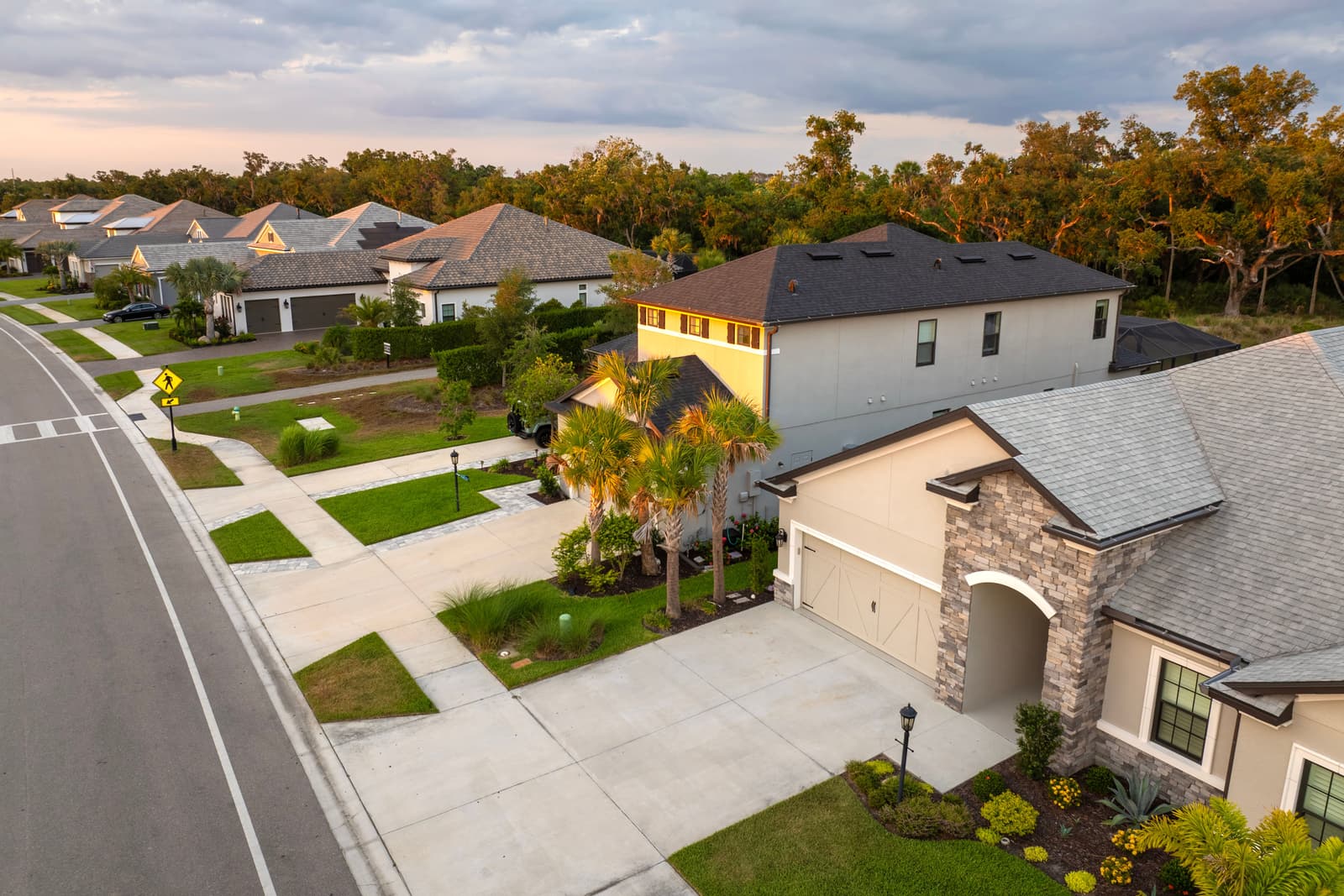
The listing photos look great. The price is right. You're already mentally arranging furniture. That's the moment most buyers start scheduling showings, and the moment the most expensive mistakes get made.
Post-close regret among homebuyers traces back almost entirely to one decision: touring without data. 66% of first-time homeowners report unanticipated home issues after buying, with average repair costs of $5,356 (opens in new tab) and those are just the ones that surface in the first year. The structural and electrical problems (the ones that compound) often take longer to announce themselves. Among homeowners with regrets, 42% cite maintenance and hidden costs being more expensive than expected as the primary source. (opens in new tab)
None of that is inevitable. Most of it is screenable if you check before you fall in love, not after.
What the Listing Doesn’t Tell You
A listing gives you price, photos, square footage, and a description written by someone whose job is to make the property sound appealing. What it doesn't give you: property event history, permit records, system ages, environmental risk exposure, or any indication of what the previous owners ignored for the last decade.
For instance, the as-is label is the clearest signal that data matters. When a seller lists as-is, they're signaling they may know about problems but won't fix them, and what those problems are isn't disclosed. One $80,000 as-is listing run through a PropertyLens report (opens in new tab) revealed discrepancies between tax records and MLS data; the kind of flag that points toward unpermitted work or misrepresented bedroom counts, on a property where hidden problems could run $50,000 post-close.
The as-is flag is an instruction to dig deeper, not a reason to skip due diligence.
The Numbers Behind the Blindspot
A January 2026 survey by Clever Real Estate and Best Interest Financial found that homebuyers spent an average of $31,502 in upfront costs, roughly four times the $8,083 they expected to pay. (opens in new tab) The gap isn't primarily closing costs. 18% of those surveyed identified repairs and renovations as the most surprising cost (opens in new tab), the category most directly tied to what a pre-offer data check could have flagged.
Nearly three-quarters of buyers said up-to-date electrical and plumbing systems weren't important to them (opens in new tab), prioritizing aesthetics over the systems that generate the biggest post-close bills. Electrical panel replacements run $2,000–$4,000. Full rewires on older homes routinely exceed $15,000. These are not cosmetic surprises. They're predictable ones if you're looking at the right data before you tour.
The Pre-Offer Screening Checklist
This is a five-minute step, not a research project. Before you book a showing:
- Pull the property's event history. Wind, hail, fire, wildfire, and flood events that may result in insurance claims appear in a property data report. A roof that's been through six hail events in eight years is a repair cost waiting to surface whether or not it looks fine from the driveway. This is what a PropertyLens report (opens in new tab) surfaces before you ever schedule the walk-through: risk indicators that don't appear on any listing or inspection checklist.
- Check the permit record. Unpermitted additions, finished basements, and room conversions create disclosure gaps and insurance complications. A permit pull takes minutes and tells you whether the work done on a property was inspected (or wasn't).
- Note the system ages. Roof, HVAC, electrical panel, water heater. If the listing doesn't include them, ask. A 20-year-old roof and a 15-year-old HVAC on a property priced to move is a negotiating position, or a reason to pass.
- Flag the as-is language. As-is is not a neutral term. It means the seller won't negotiate repairs. It does not mean there aren't any. Treat it as a data signal and run the report before you schedule the walk-through.
- Identify specialty inspection triggers. A property event history showing repeated flood exposure warrants a sewer scope. A pre-1980 home warrants radon testing. Visible staining or a humid climate warrants a mold test. Specialty inspections run $200–$600 each. The problems they catch run far more.
From Data to Negotiation
A buyer who arrives at the offer table with documented risk signals negotiates differently than one who doesn't. 25% of first-time buyers said they would choose a different home if they could do it over, and 21% said they would have negotiated more aggressively. (opens in new tab) Both outcomes start with the same input: knowing what the property's history actually shows before emotion takes over.
A seller concession request backed by documented hail exposure and a flagged permit gap is a different conversation than a vague ask for "money off." 68% of first-time buyers said they wished they had done more negotiating. (opens in new tab) The data to negotiate from exists. Most buyers just access it too late.
The Bottom Line
The listing is the beginning of due diligence, not the end of it. Falling in love with a house is fine. Falling in love before you've seen the event history, the permit record, and the system ages is how buyers end up with $50,000 in problems on an $80,000 purchase or spend $31,000 more than they planned on a property they thought they understood.
Run the report before you book the showing. Bring data to the tour. Negotiate from evidence, not hope.