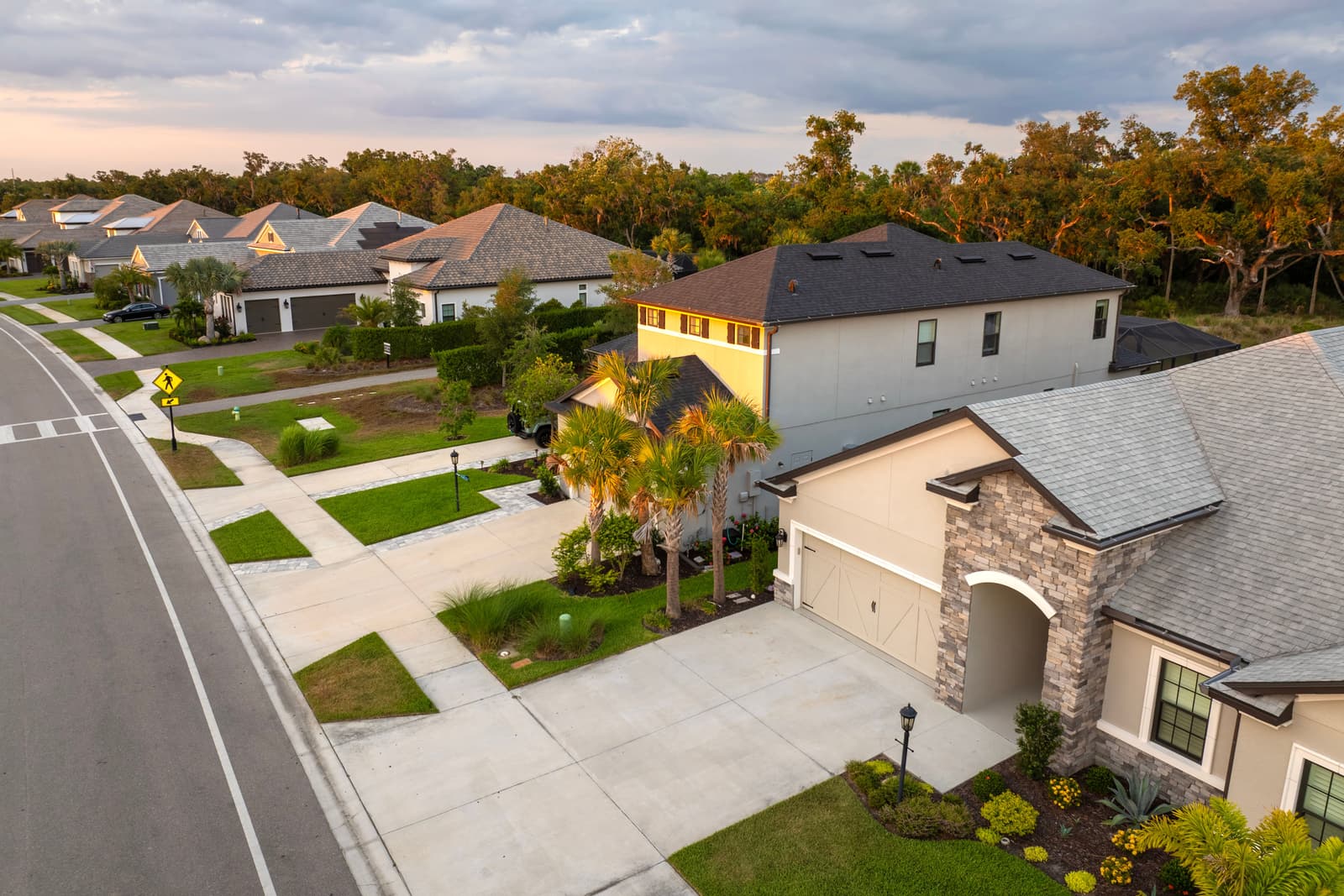
The buyer pool has turned over. Millennials now make up 38% of U.S. homebuyers, up from 28% just a year earlier, while Boomers have slipped to 31%. Gen Z is a small share today (around 3%), but they're buying earlier in life than any recent cohort. The generational handoff isn't coming. It already happened.
And the playbook the industry built for their parents doesn't fit them.
The Generational Shift, in Numbers
The data is clear and recent. According to PropStream's analysis of NAR's 2024 generational report (opens in new tab), Millennials reclaimed the top spot as the largest homebuyer generation in a single year— a ten-point jump from 2023. The National Association of Realtors (opens in new tab) puts Gen Z at roughly 3% of buyers, entering the market with lower incomes and fewer of the traditional life milestones like marriage, or kids, that used to anchor a home purchase.
What they lack in capital, they're making up in intent. A recent RE/MAX survey (opens in new tab) of consumers planning to transact in the next 18 months found that 88% are likely to buy in 2026, with Millennials and Gen Z showing the strongest motivation. More than two-thirds of those younger buyers said community fit. Neighbors, walkability, and lifestyle matters more to them than it does to older generations.
But here's the other number that matters: 71% of those same prospective buyers said economic uncertainty has already delayed their plans. This is a generation entering the market later, with less margin for error, into a compressed window.
That combination of high intent, delayed entry, narrow window is why the old playbook fails them.
The Old Playbook: Tour, Love, Offer, Inspect, Hope
For decades, the standard sequence worked like this: tour a few houses, fall in love with one, make an offer, run an inspection, and hope nothing catastrophic turns up before closing. It was a sequence built for a different buyer, a different market, and a different information environment.
Three things break when you apply it to the new majority:
Disclosures assume symmetric information. They're written by sellers, filtered by agents, and presented as static PDFs. That's not how a 29-year-old researches a $400,000 decision. They're comparing five properties on their phone at 11 p.m., and they want the same depth of data they get when buying a used car.
Inspections are visual and current-state only. A standard home inspection covers what's visible and accessible in a 2–3 hour window. It doesn't surface a decade of event history, it doesn't flag permit gaps on past renovations, and it doesn't tell you what the insurance carrier will see when the buyer requests a quote. Those blind spots are where post-close surprises live.
Listing photos optimize for emotion. Community fit, total cost, and hidden risk don't photograph well. They don't appear in any of the images a buyer falls for.
As PropertyLens co-founder Bob Frady puts it: "You're already in love once you make the offer. That's a terrible time to make decisions." For a generation with no cushion for a five-figure surprise, that's not just a catchy line. It's the core problem.
What the New Majority Actually Needs Before They Bid
Three data layers are missing from the old playbook, and each maps directly to a priority Millennial and Gen Z buyers have been telling pollsters about for years.
Layer 1: Condition and Event History. Wind, hail, fire, wildfire, and flood events that may result in insurance claims. Permit records. Estimated system ages. This is the "what has happened to this house" data that no visual inspection can reach. It's also what determines whether the insurance quote the buyer requests comes in at the number they budgeted or a number that kills the deal.
Layer 2: Total Cost Reality. Not the mortgage alone. Insurance exposure based on the property's actual risk profile. Projected maintenance for aging systems. Property taxes. The real "what will I pay per month to own this" number. The Insurify 2024 Gen Z homebuyer survey found that 90% of Gen Z homeowners said they underestimated the cost of ownership after closing. That is a failure of pre-offer information, not of the buyers.
Layer 3: Community and Environmental Fit. Flood zone exposure, wildfire risk, environmental database flags, neighborhood-level climate data. The context that turns a house into a place worth living in which, for younger buyers, isn't a soft factor. It's the decision.
How PropertyLens Fits the New Buyer's Workflow
A PropertyLens report (opens in new tab) was built for exactly this sequence. Not as a replacement for the inspection, but as the data layer that runs before it so buyers know what to look for, what to ask, and which properties are worth the full due diligence spend in the first place.
A few specific things the report surfaces that a listing doesn't:
- Event history that explains why an insurance quote is likely to come in high
- Permit gaps on additions, basements, or renovations that weren't declared
- Environmental database flags from Superfund proximity to flood zones that the listing will never mention
- Estimated system ages for roof, HVAC, and major components
And because the report is built mobile-first with the LensAI assistant embedded, buyers can ask the report the same questions they'd ask an advisor: What are the top three risks with this property? What should I ask the seller? How does this compare to the other house I'm considering? You can view a sample report (opens in new tab) to see the full output before you need it.
The Pre-Offer Checklist for the New Majority
Five steps, built for a digital-first buyer on a compressed timeline:
- Pull a PropertyLens report before the second showing. Not after the offer. Before.
- Flag the event history, permit gaps, and environmental signals. Bring those questions to the listing agent.
- Cross-check community fit against your lifestyle priorities (commute, walkability, neighborhood risks).
- Build your real total-cost estimate: mortgage + insurance (request a quote early) + projected maintenance + taxes.
- Then—and only then—decide whether to make an offer, and at what price.
That sequence is slower at the front and dramatically faster at the back. It eliminates the houses that would have become 12-month regrets before the buyer ever schedules a showing.
The Bottom Line
The new majority of homebuyers isn't optional for the industry. Millennials are the buyer pool. Gen Z is the one right behind them. Both are entering 2026 with high intent, tight budgets, and no patience for a process that assumes they'll just figure it out after closing.
They don't need a better listing photo. They need pre-offer certainty on condition, cost, and community delivered in a format they can actually use.
Run your next potential home through PropertyLens (opens in new tab) before you fall in love with it. Because for this generation, the old playbook isn't just outdated. It's unaffordable.