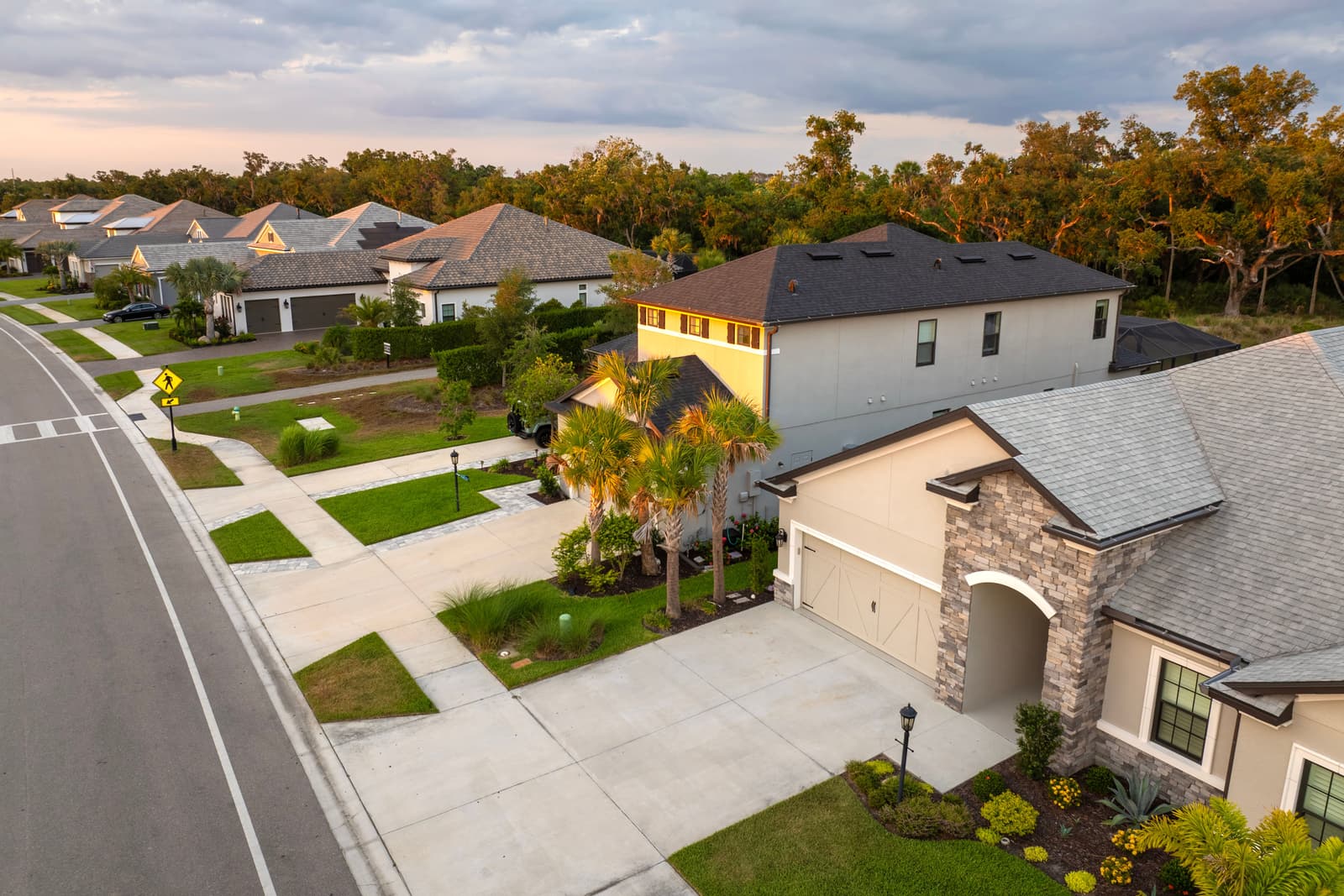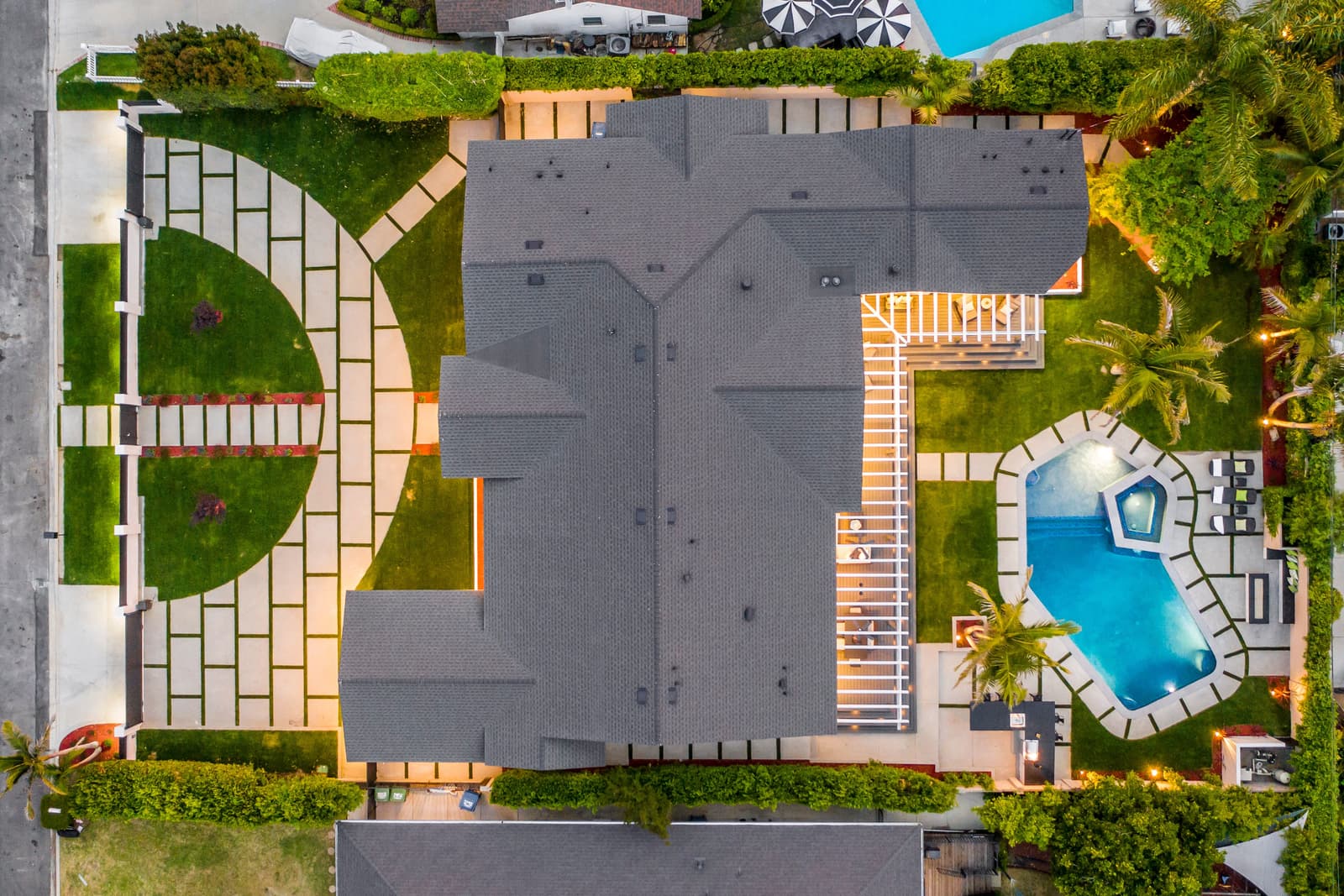
Insurers don’t wait for closing day. As soon as a buyer requests a quote on a new purchase, the carrier re-underwrites from scratch. That process can make your insurance cost far different than what the current owner is paying. Aerial imagery of the roof, hazard exposure data, and reconstruction cost modeling all go into that quote. A home that’s been insured for years at a stable rate can come back at a very different number, or face a completely different environment when a new buyer shops it cold.
For buyers who discover that problem after going under contract, the cost isn’t just a higher premium. It’s a deal that stalls, a close that falls through, or a policy that arrives at terms they never budgeted for.
The good news: this isn’t unavoidable. Getting ahead of insurability is the same as getting ahead of any other hidden cost, it requires the right data before you go under contract, not after.
How Aerial Underwriting Works and Why It Matters to Buyers
Carriers across the country now use satellite and drone imagery as a standard underwriting tool. According to an NPR investigation (opens in new tab), insurers are photographing “nearly every building in the country,” using AI-powered models to assess property condition data that gets pulled and evaluated when a new buyer requests a quote. The Insurance Information Institute has noted this practice will only become more widespread.
What triggers a coverage refusal or a conditional policy? Visible roof patches, aging shingles, moss or debris buildup, trees overhanging the roofline, and signs of deferred maintenance. The Massachusetts Division of Insurance (opens in new tab) confirmed that carriers can decline or non-renew coverage based on aerial findings; age, cracked shingles, or excessive tree overhang are sufficient grounds under most underwriting guidelines.
For buyers, this creates a specific timing risk: a home that looks insurable on the listing can turn into an insurance problem when a quote is requested, after the offer, after the inspection, and days before close. And because it’s a new policy, the buyer can’t assume the seller’s current rate is a useful benchmark. Carriers price new coverage based on current conditions, current reconstruction costs, and current hazard exposure. The seller’s premium is largely irrelevant.
The Replacement Cost Trap Most Buyers Walk Into
Aerial underwriting is only one piece of the insurance puzzle. The other is a math problem most buyers get wrong.
Homeowners insurance is priced on replacement cost; what it would cost to rebuild the structure from the ground up at current labor and materials prices. That number has nothing to do with the assessed value on the tax record, the appraised value the lender uses, or the listing price. A home worth $350,000 on the market may cost $500,000 to rebuild, creating a $150,000 coverage gap if a buyer models premiums against the wrong number.
According to Policygenius (opens in new tab), nearly half of homeowners mistakenly believe their insurance coverage should match their home’s market value. That confusion has real consequences: buyers who anchor their monthly cost estimates to assessed or appraised value routinely end up underinsured and sometimes surprised at the premium quote that arrives after their offer is accepted.
Premium quotes aren’t just driven by the structure, either. Severe weather loss history and reconstruction cost inflation have pushed carriers to re-price risk across entire regions. Properties with documented hail, wind, wildfire, or flood exposure carry higher actuarial weight and those events are exactly what a PropertyLens report surfaces before you bid.
What Buyers Can Do Before They Bid
The most expensive place to discover an insurance problem is under contract. The right sequence is to screen for insurability risk at the same time and through the same data layer, as any other property risk.
A PropertyLens report (opens in new tab) surfaces the events that drive insurer concern: wind, hail, fire, wildfire, roof age and condition, and flood activity tied to the specific property address. That data doesn’t tell you whether a carrier will write the policy, only an independent agent can do that. But it tells you which properties carry the exposure that triggers scrutiny, and gives you the documentation to have an informed conversation before you’re emotionally committed to the deal.
Think of it as pre-bind visibility. Instead of discovering at quote time that the roof has a storm history the listing never mentioned, you walk into the process with that context already in hand.
For sellers and their agents, the same data works in the other direction. A property with clean hazard exposure and documented maintenance history is an easier underwrite, and that translates directly to a smoother close.
The Pre-Offer Insurance Checklist
Before bidding on any property, run through these steps:
- Run a PropertyLens report. Wind, hail, fire, wildfire, roof age and condition, and flood events tied to the property address are the first filter. Events don’t disqualify a home but they tell you where to probe and what to budget.
- Check roof visibility from listing photos. Visible patches, debris, or aging shingles in the listing photos are the same things aerial underwriting catches. If you can see them, the carrier can too.
- Model insurance costs on replacement cost, not market value. Ask your agent or use an insurer’s online estimator to get a real rebuild cost figure for the property. The difference between market value and replacement cost can easily be $50,000–$150,000 and that gap affects both your premium and your coverage adequacy.
- Talk to an independent insurance agent before you’re under contract. Binding coverage on a new property is easier to navigate before you’re 10 days from closing. Agents can screen the property’s insurability profile and flag likely non-renewal triggers while you still have room to walk.
The Bottom Line
Insurers are reading roofs from space. Premiums are priced on what it costs to rebuild, not what the listing says. And neither of these facts appears anywhere on the MLS.
The buyers who close without surprises are the ones who run the data layer before they fall in love with the house. Run your next property through PropertyLens (opens in new tab) and see what the insurer is likely to see before you request a quote.