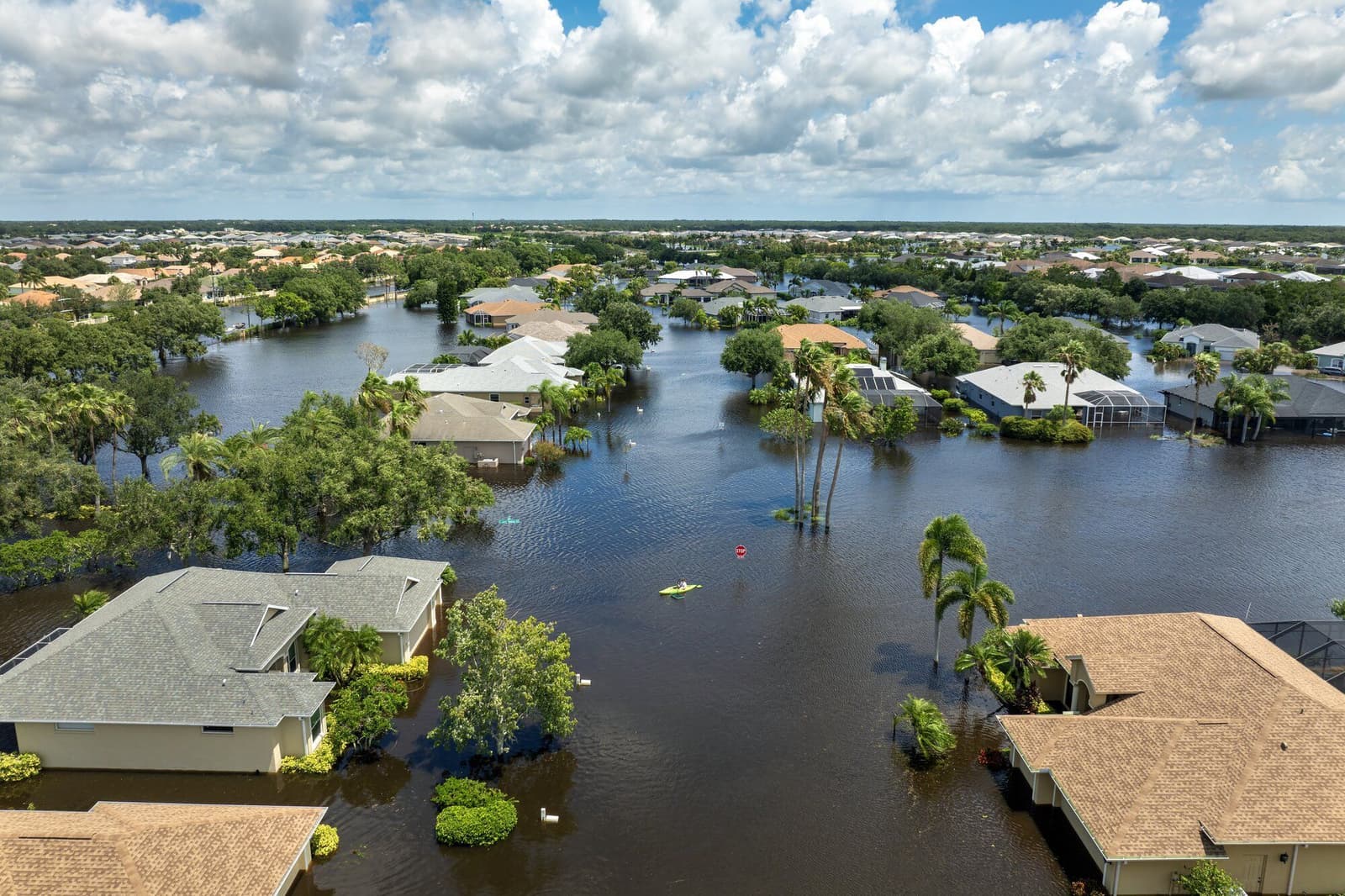
Flooding can be one of the most stressful experiences a homeowner faces. Whether caused by a burst pipe or heavy rain, water damage can quickly spiral into long-term problems like mold, structural damage, or ruined belongings. Taking the right steps immediately after a flood is critical—not just for protecting your home, but also for keeping you and your family safe.
Step 1: Safety First
Your first priority is safety. Before entering a flooded area, turn off the electricity to avoid the risk of electrocution. Never walk or stand in water if electrical lines or appliances are still live. If you can’t safely reach your circuit breaker, call a professional or your utility company for assistance. Floodwater can also weaken walls and floors, so proceed cautiously. If you’re buying a home, learn how to spot flood zone red flags.
Step 2: Stop the Water Source
If the flooding is caused by a burst pipe, shut off the main water supply. If it’s due to heavy rain or natural flooding, wait until the water recedes before beginning cleanup. Trying to act too soon could put you at risk. To understand your home’s vulnerabilities better, read about the hidden risks of homebuying.
Step 1: Safety First
Your first priority is safety. Before entering a flooded area, turn off the electricity to avoid the risk of electrocution. Never walk or stand in water if electrical lines or appliances are still live. If you can’t safely reach your circuit breaker, call a professional or your utility company for assistance. Floodwater can also weaken walls and floors, so proceed cautiously. If you’re buying a home, learn how to spot flood zone red flags.
Step 2: Stop the Water Source
If the flooding is caused by a burst pipe, shut off the main water supply. If it’s due to heavy rain or natural flooding, wait until the water recedes before beginning cleanup. Trying to act too soon could put you at risk. To understand your home’s vulnerabilities better, read about the hidden risks of homebuying.
Step 3: Remove Standing Water and Damaged Items
Use a wet/dry vacuum or sump pump to remove water. For severe flooding, renting an industrial pump may be necessary. Discard water-damaged items like carpets, furniture, and electronics to prevent mold. Salvageable belongings should be dried and cleaned quickly.
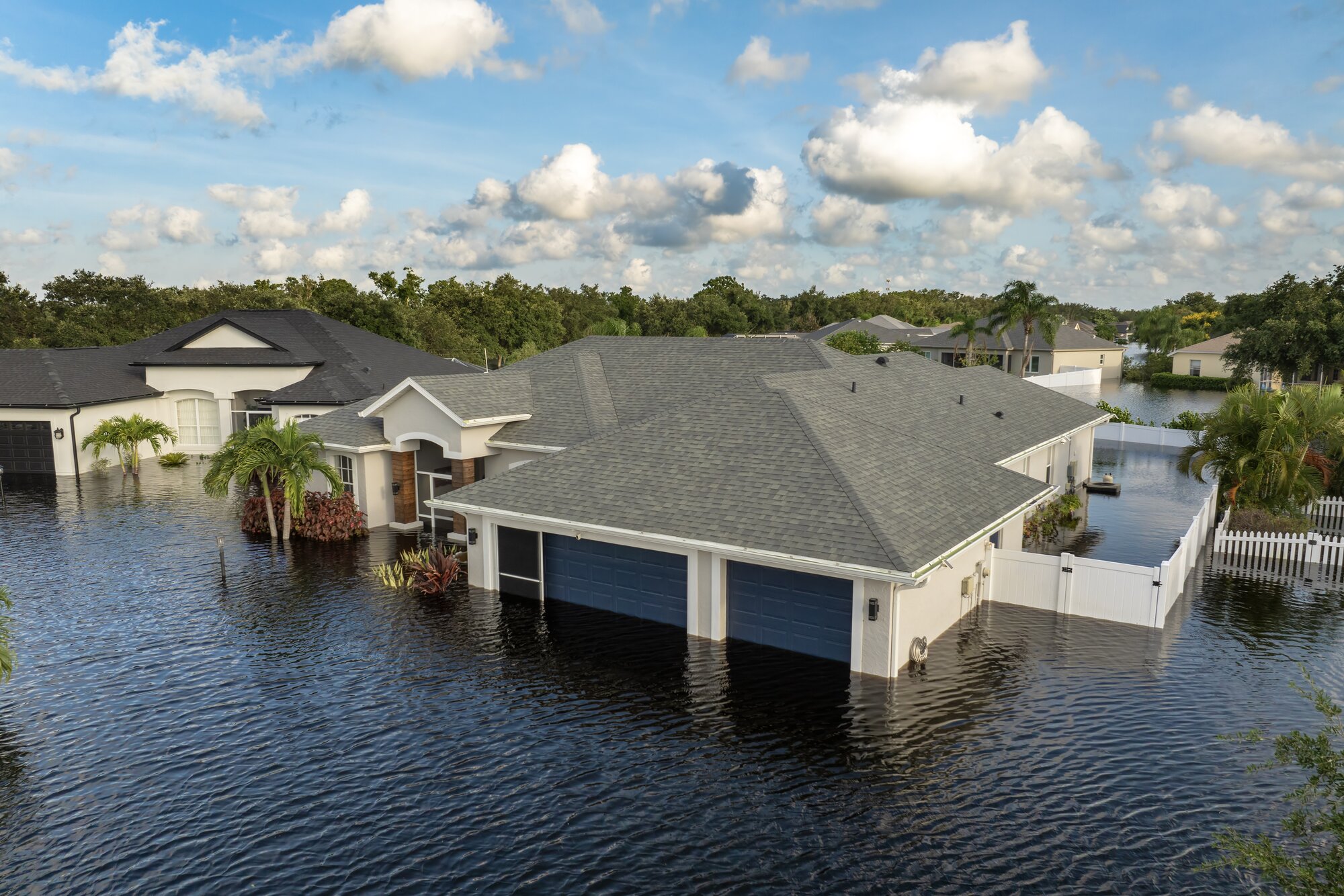
Whether caused by a burst pipe or heavy rain, water damage can quickly spiral into long-term problems like mold, structural damage, or ruined belongings.
.Step 4: Dry and Clean Thoroughly
Ventilate the area by opening windows, using fans, or running a dehumidifier. Once dry, disinfect all surfaces with a bleach solution. Wear gloves and masks for protection. To understand why this matters, read why past flood history matters more than you think.
Ventilate the area by opening windows, using fans, or running a dehumidifier. Once dry, disinfect all surfaces with a bleach solution. Wear gloves and masks for protection. To understand why this matters, read why past flood history matters more than you think.
Step 5: Inspect and Prevent Future Flooding
Interior Repairs and Waterproofing
Check for cracks in walls, floors, or the foundation. Apply waterproof sealants to walls and floors. Installing a sump pump with a backup battery can add protection.
Exterior Drainage and Landscaping
Ensure your yard slopes away from the foundation. Consider French drains or other solutions to divert water. For long-term resilience, explore the climate questions every buyer should ask.
Step 6: Call in Professionals if Needed
If damage is extensive, contact a professional water damage restoration service. They have the right tools and expertise. To get ahead of future risks, use PropertyLens 2.0 or explore PropertyLens resources and helpful guides.
Final Thoughts
Floods are overwhelming, but a clear plan can help you regain control. Prioritize safety, act quickly, dry and disinfect thoroughly, and take steps to prevent future issues. With the right response, you can minimize damage and restore your home with confidence.